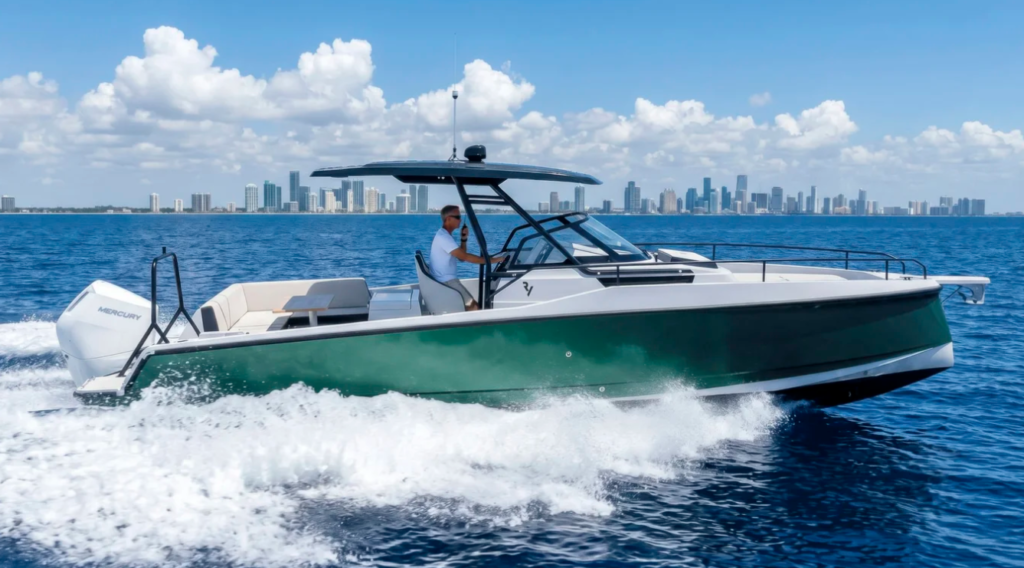
Boating remains a popular way for Americans to spend time outdoors, from weekend lake trips to coastal cruising and offshore adventures. Yet frequent use can eventually take a toll on marine interiors. Sun exposure, water, changing temperatures, and repeated passenger activity can leave seating faded, cracked, or uncomfortable. An upholstery boat seat upgrade can refresh the interior while addressing practical problems that affect everyday boating. For professional marine upholstery services, Boat Upholstery Broward specializes in upholstery for boats and yachts and can help owners plan durable interior upgrades.
American Boating Creates Different Interior Challenges
The United States offers an enormous variety of boating environments.
A boat operating in Florida may face intense heat and humidity, while vessels on northern lakes can experience dramatically different seasonal conditions. Coastal boats also deal with saltwater and stronger exposure to marine elements.
Because conditions vary, upholstery choices should reflect the environment where a boat spends most of its time.
Owners should consider:
- Local climate
- Saltwater or freshwater use
- UV exposure
- Seasonal storage
- Frequency of boating
- Typical passenger activity
These factors can influence how quickly seating wears and which materials perform best.
UV Exposure Can Change Marine Seating
Sunlight is one of the biggest challenges for exposed boat interiors.
Repeated UV exposure can gradually fade colors and contribute to surface deterioration. Open-bow seating, cockpit cushions, and helm seats often receive particularly strong exposure.
An upholstery boat seat made with marine-grade materials can offer stronger protection against these conditions.
Using fitted covers when the vessel is not in use can provide another layer of protection.
Comfort Matters During Long Trips
American boaters use their vessels for many different activities.
A short afternoon trip may require less support than a full-day cruise or offshore fishing excursion. When passengers remain seated for hours, cushion quality becomes increasingly important.
Comfort depends on factors such as:
- Foam density
- Cushion thickness
- Seat shape
- Back support
- Surface texture
Updating worn foam alongside the exterior covering can make a noticeable difference.
Marine Materials Are Built for the Environment
Household fabrics may look attractive, but they are rarely designed for continuous marine exposure.
Marine-grade vinyl and other specialized materials can provide better resistance to moisture, UV exposure, mold, and repeated cleaning.
When choosing an upholstery boat seat material, owners should look for a combination of:
- UV resistance
- Water resistance
- Mold resistance
- Color retention
- Easy maintenance
- Surface durability
The right material can help reduce premature deterioration.
Different Boats Need Different Seating
There is no universal upholstery solution.
Pontoon boats often prioritize spacious social seating. Fishing boats require durable and easy-to-clean surfaces. Cabin cruisers may focus more heavily on comfort and interior design.
Understanding the vessel’s main purpose helps owners select materials and cushion designs that match real-world use.
A well-planned upholstery boat seat upgrade should support the activities passengers perform most often.
Modern Design Is More Personalized
American boat owners increasingly want interiors that reflect their individual preferences.
Instead of relying entirely on standard factory colors, owners can select custom combinations that create a more distinctive appearance.
Popular options include:
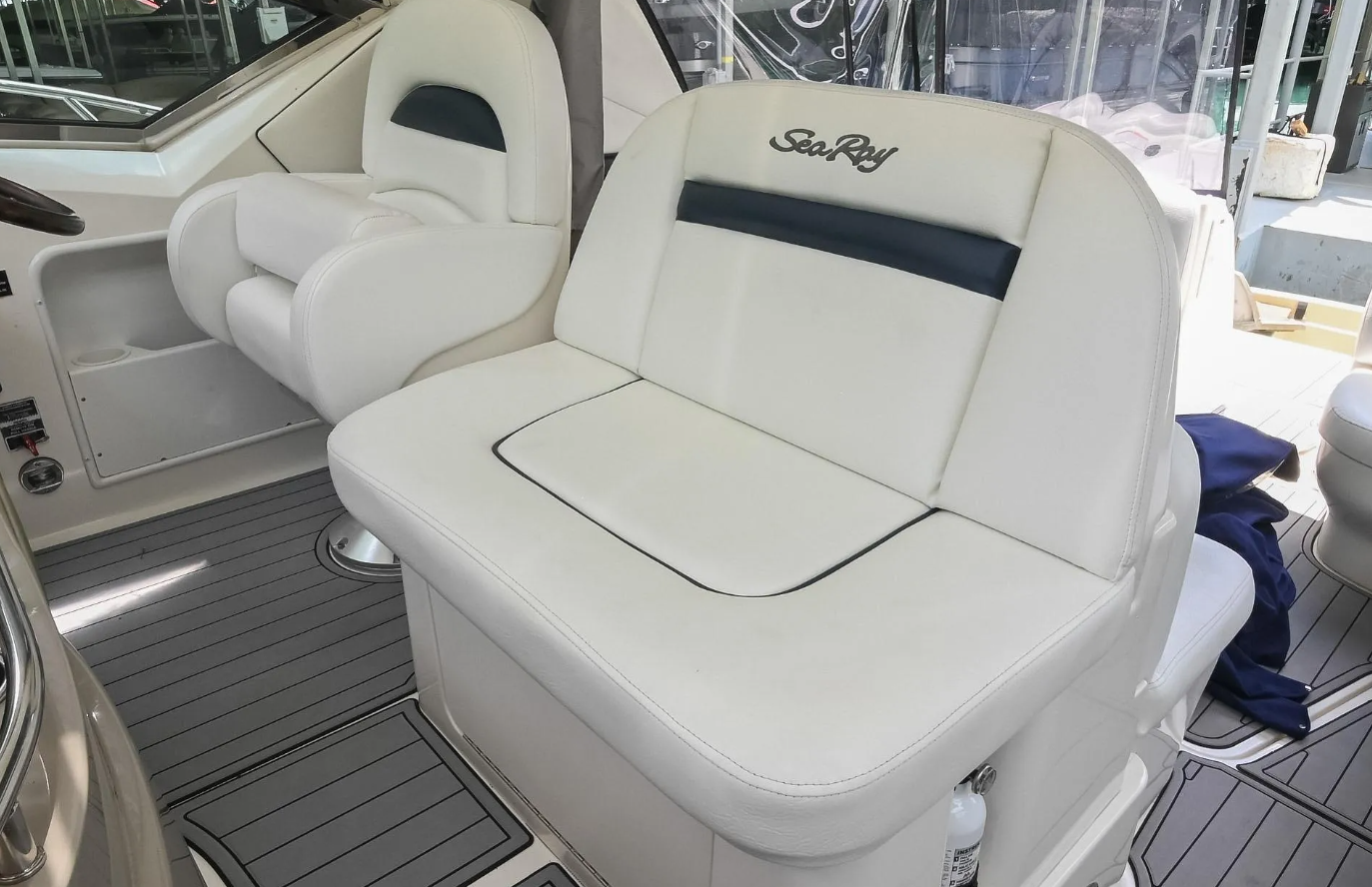
- Two-tone vinyl
- Contrast stitching
- Decorative piping
- Custom embroidery
- Textured surfaces
- Coordinated cushions
These details can modernize an older boat without changing its overall character.
High-Traffic Areas Deserve Priority
Some seating receives much more wear than other areas.
Helm seats experience frequent use, while cockpit cushions may encounter wet clothing, sunscreen, food, and drinks. These locations should receive particular attention during inspections.
Replacing the most worn seating first can provide an immediate improvement while allowing owners to plan additional upgrades later.
Maintenance Protects the Investment
New upholstery still requires regular care.
Saltwater should be rinsed away when necessary, while spills should be cleaned before they become difficult to remove. Wet cushions should also dry completely.
A simple routine includes:
- Wiping seating after each trip
- Removing salt residue
- Drying cushions thoroughly
- Cleaning spills promptly
- Inspecting seams
- Covering seating during storage
Consistent maintenance can help preserve both appearance and comfort.
Seasonal Storage Requires Planning
Boaters across the United States often deal with seasonal storage.
Before storing a vessel for an extended period, owners should clean and dry the interior thoroughly. Covers can reduce exposure to sunlight, dust, and moisture, but adequate ventilation remains important.
Proper preparation can help an upholstery boat seat remain in better condition when the boating season begins again.
Upgrades Can Support Long-Term Boat Value
A well-maintained interior can influence how a vessel looks to potential buyers.
Cracked seating and faded materials may create the impression of poor overall maintenance. In contrast, clean and properly restored upholstery can make the boat feel better cared for.
For owners considering resale in the future, maintaining the interior can therefore be a practical part of protecting the vessel’s overall appeal.
Final Thoughts
American boaters encounter a wide range of environments, from freshwater lakes to busy coastal waterways. Those differences make material selection, cushioning, and maintenance important parts of marine interior care.
An upholstery boat seat upgrade can improve comfort, refresh the appearance of a vessel, and provide better protection against everyday marine conditions. With suitable materials and consistent maintenance, boat owners can keep their interiors attractive and functional through many seasons on the water.